
Case Study
Cloud coder: selling dev tools to non-dev companies
Week one showed over ten lakh rupees in monthly recurring pipeline. AI coding environments for agencies and non-engineering firms, scoped tight for launch.

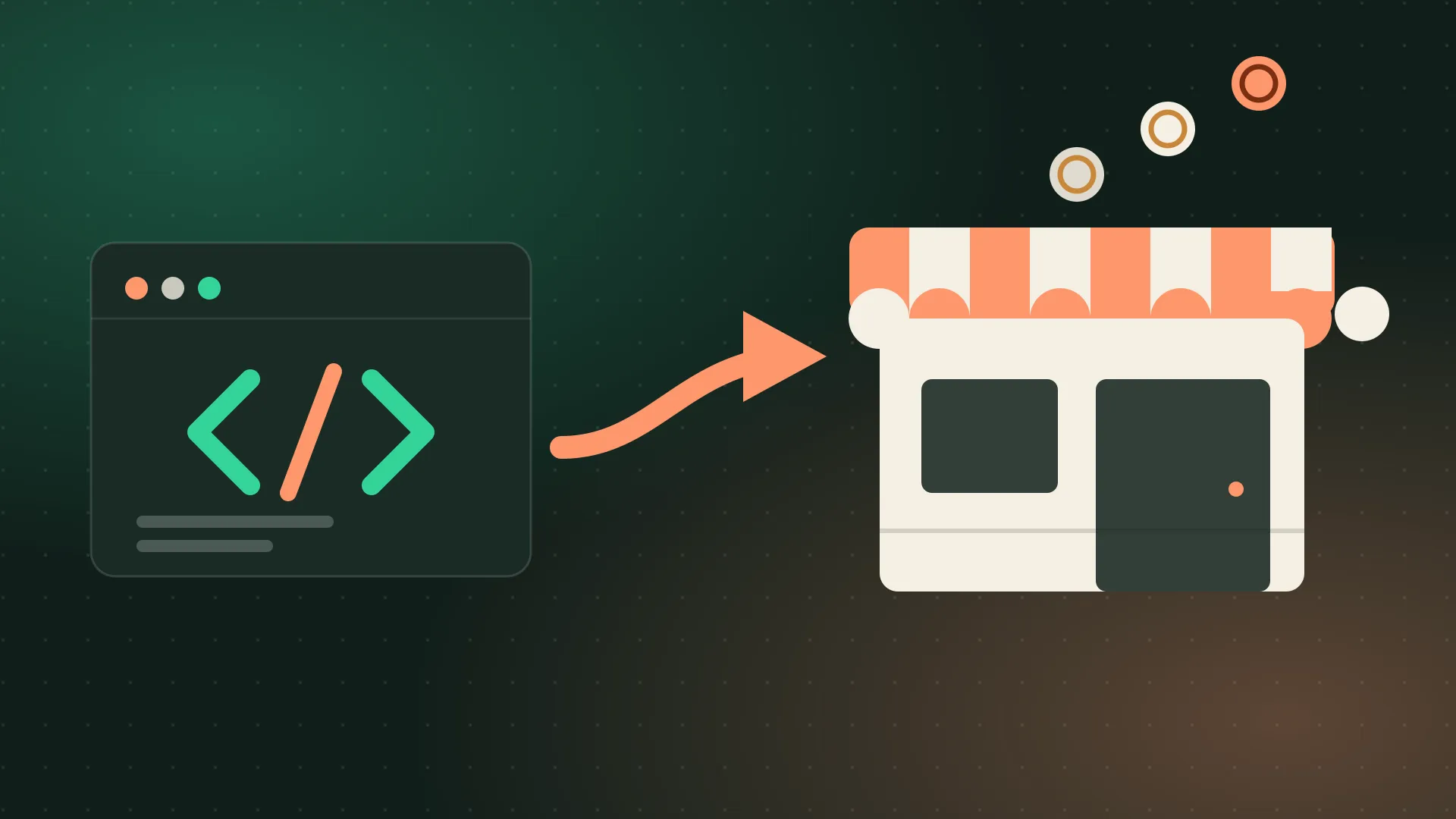
At SuperAGI, the AI company I work at, our CRM already sat inside marketing agencies and non-engineering firms. Those customers kept asking for the same thing: custom sites and tools, without hiring engineers. The cloud coder and its vibe-coding forks answered that ask. I took it from scope to launch.
Problem and context
Two audiences, one gap. Developers inside marketing agencies build sites and tools for other companies, and they bill by the project. Operations teams inside non-engineering firms want custom tooling for their own workflows and have no developers at all. Both groups already paid for our CRM, which meant distribution existed before the product did. The question was whether they would pay again for the ability to build.
Discovery and validation
The wedge was the installed base. These firms trusted SuperAGI with their customer data and asked where to build the small tools around it. Spreadsheets plus wishlists kept showing up in support chats and renewal calls, the classic sign teams are missing tooling. The demand evidence was behavioral, not surveyed: customers describing builds they wanted, not features they liked.
Trade-offs and prioritization
Selling to developers while serving non-developers pulls in two directions. Power users want forks, branches and control. Operations teams want a button that makes a website. The fork model held both: developers start from working templates and customize, while non-technical teams deploy the template nearly as is. One product, two doors, same infrastructure underneath. A fork is a working template copy the buyer customizes instead of building from blank.
The fork model, simplified:
graph TD
    Want([Customer wants<br/>a custom tool]) --> Who{Who builds}
    Who -->|Developer| Fork[Start from<br/>a template fork]
    Who -->|Operations| Deploy[Deploy the<br/>template as is]
    Fork --> Infra[Same infra<br/>underneath]
    Deploy --> Infra
    Infra --> Live([Live tool<br/>shared infra])
Launch scope stayed tight on purpose. Only the flows that survived a live internal review made week one. Everything else waited, which is why the launch scope reads small and the adoption story reads fast.
Execution and alignment
I owned scope, the launch checklist, and coordination with engineering and design. Approval converted directly into shipping: changes pushed, real customers invited. No pilot phase sat between approval and first use.
Measurable outcomes
Week one showed user interest with over ten lakh rupees in monthly recurring revenue on the way to confirmation. That figure is pipeline, not closed cash. It matters as a signal. Real customers moved from curiosity to commercial conversations within days of launch, which validated the wedge thesis: sell building power where the CRM relationship already exists.
The week-one funnel, simplified:
graph TD
    Launch([Week one<br/>launch]) --> Interest[Curiosity<br/>and trials]
    Interest --> Commercial[Commercial<br/>conversations]
    Commercial --> Confirmed[Confirmed<br/>revenue]
Retrospective and learnings
Pipeline is not revenue, and week-one excitement has fooled better teams. The open work is conversion discipline: tracking which fork users activate, which templates produce paying deployments, and where trials stall. The assumption that held: developers at agencies and operators at non-tech firms buy the same product for opposite reasons, and the fork model serves both without forking the roadmap. The question I would press next: which templates convert, and what does that say about what to build natively.

Written by
Prathamesh Pathak
Building AI-native products. Writing about PM craft, career growth, and shipping.
Visit LinkedIn →More case studies
OK analytics: the funnel before the fix
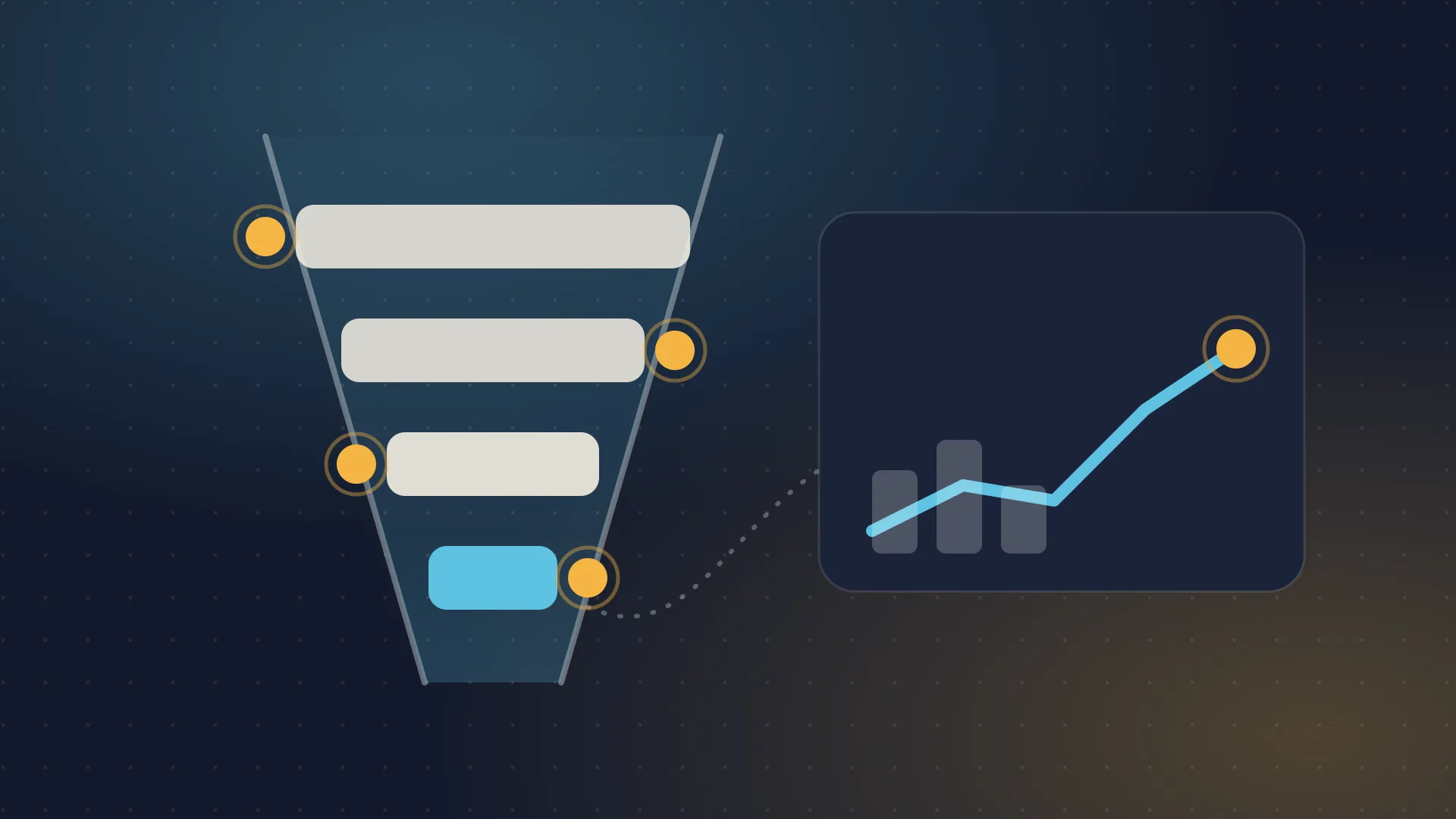
OK leadership flew blind on pricing, carts and catalog. I scoped a 5-week Mixpanel integration across client and server with identity stitching and nine answered business questions.
 Prathamesh Pathak · ·5 min read
OK support: a bot that resolves first
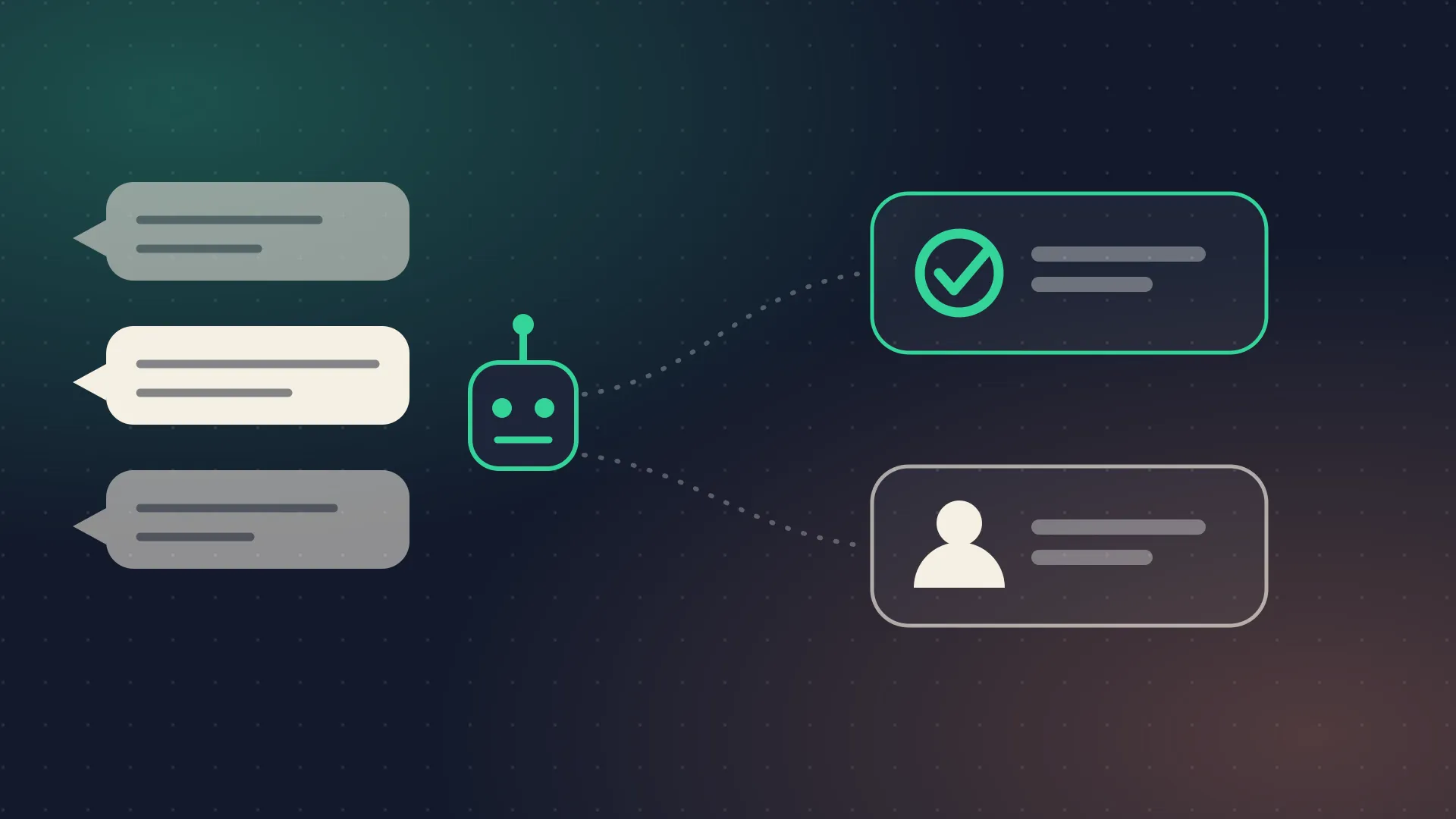
Mining 50 real chat scenarios, I redesigned the bot around an FAQ plus Yes/No loop, removing roughly 40 percent of the agent queue.
Prathamesh Pathak · ·6 min read